
 Baku 8° C
Montenegro targets EU accession treaty in summer 2027
- 25 November, 2026
- 23:54
Stay up to date with the top news!
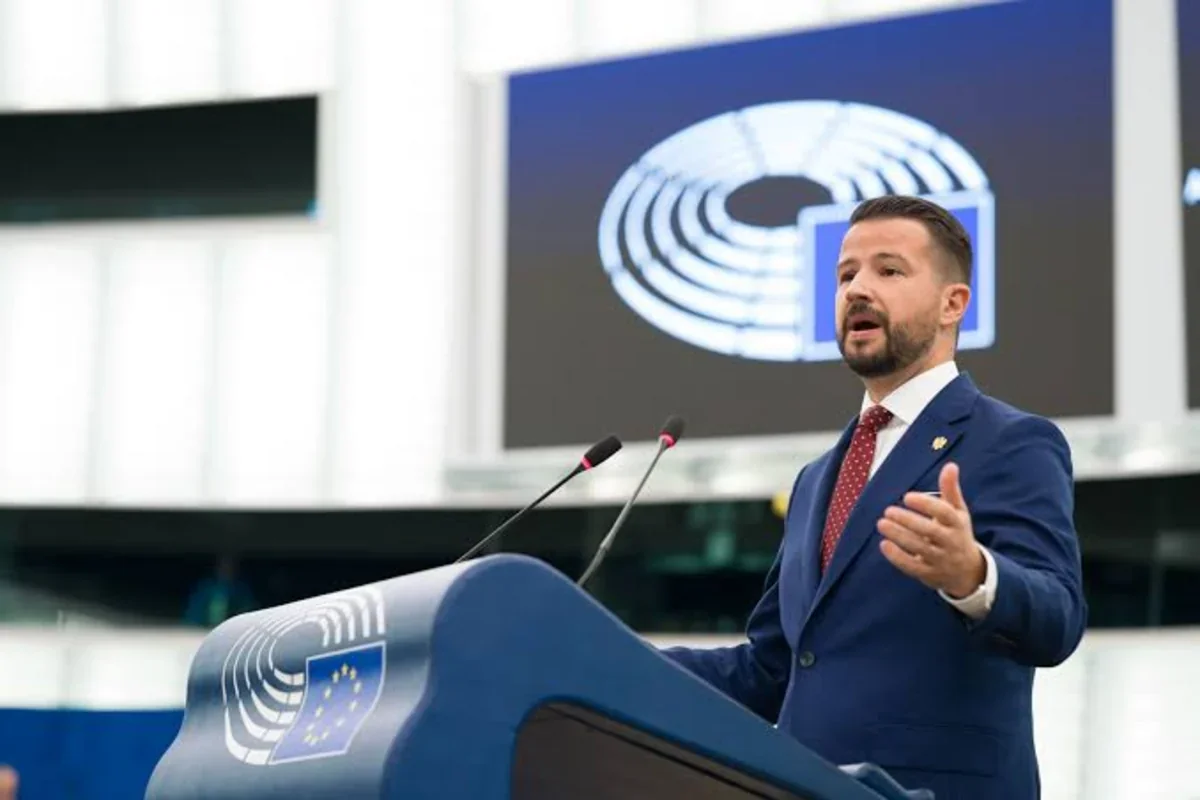
Montenegrin President Jakov Milatović has expressed hope that the EU–Western Balkans summit in Brussels will be his country's last as a candidate for European Union membership.
"I hope this may even be Montenegro's last summit in this capacity," he told journalists before the meeting, Report's European bureau informs.
Milatović said Podgorica aimed to conclude negotiations on all remaining chapters by the end of 2026, sign an EU accession treaty in summer 2027 and become the bloc's 28th member in 2028.
He said he had sent letters the previous day to European Council President António Costa and European Commission President Ursula von der Leyen, outlining Montenegro's position on unresolved bilateral issues with Croatia. According to Milatović, the Commission's position is that bilateral disagreements should not obstruct Montenegro's full EU membership.
"We regard Croatia as a friendly neighboring country and are confident that it views Montenegro in the same way. There are certain outstanding issues that we want to resolve with it in good faith," he said.
Montenegro's government will soon present a comprehensive proposal to resolve the border dispute, covering both land and maritime boundaries, Milatović said. If the sides cannot reach an agreement, he considers referral to an international court or arbitration a possible option.
He stressed that Montenegro was asking Croatia for no more than Croatia itself had received when addressing its dispute with Slovenia during its EU accession process, when their border had also not been definitively settled. He added that Montenegro's government had already resolved two of the eight issues raised by Croatia.
"If there are issues we cannot resolve bilaterally and amicably, let us refer them to international arbitration or a court. I consider that a fair approach," he said.
Asked whether disagreements with Zagreb could affect the timetable for concluding negotiations, Milatović acknowledged that complications were possible but said they should not arise.
Montenegro has closed 13 negotiating chapters this year, a result Milatović said no candidate country had achieved since Lithuania and Latvia more than 25 years ago. The country has now provisionally closed 25 of its 33 negotiating chapters, with eight remaining open.
He said Montenegro's accession served both its own interests and the credibility of the EU's enlargement policy.
"It sends a positive signal to all other candidate countries that enlargement policy is alive," Milatović said.
Addressing safeguards envisaged in the future accession treaty that would apply for 10 years, he said he saw no problem with them. Such provisions were intended to ensure continued respect for the rule of law, democracy and fundamental human rights after accession, he said.
He nevertheless stressed that Montenegro should enjoy the same rights and assume the same obligations as other EU member states.
Author