
 Baku 16° C
Sites of Memory of Western Azerbaijan: Kasaman's history explored
- 29 October, 2026
- 18:58
Stay up to date with the top news!
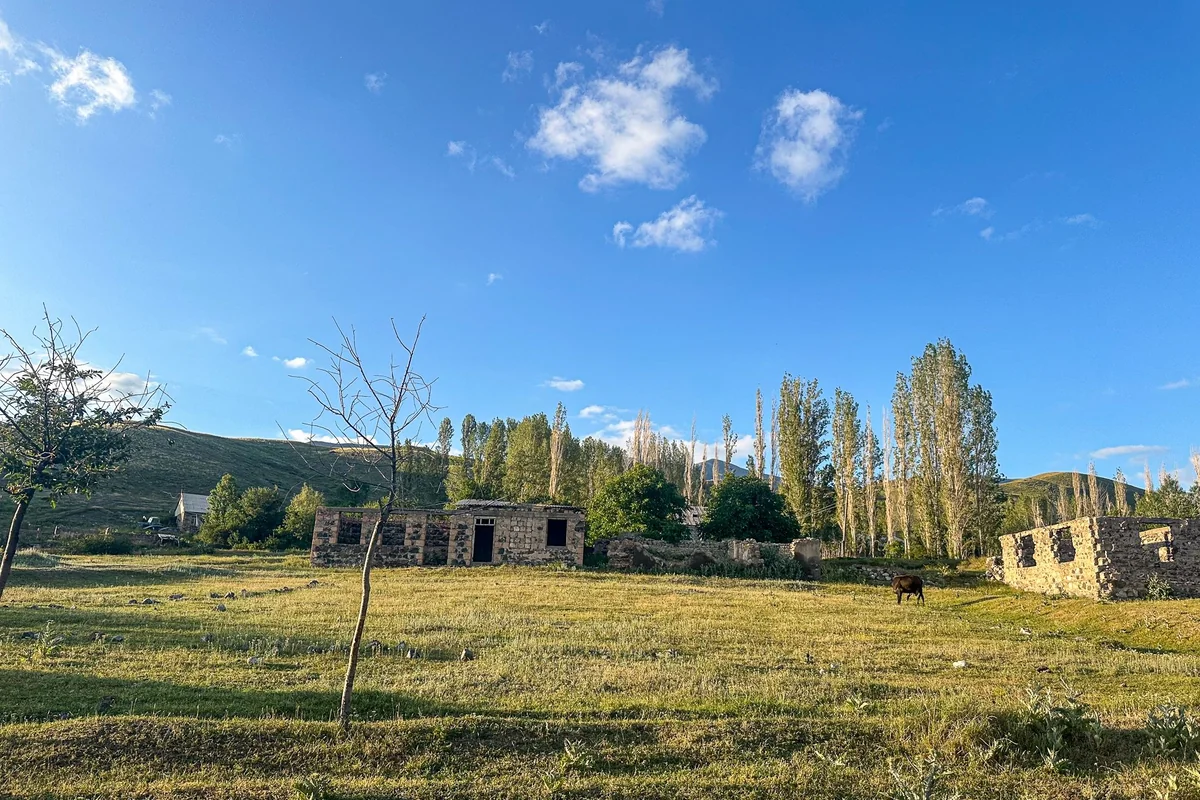
A study on the history of Kasaman, an Azerbaijani village in present-day Armenia now known as Arpunk, where Azerbaijanis lived until the late 1980s, has been published as part of the "Sites of Memory of Western Azerbaijan" project.
Report informs that the article appeared in Perished Civilization.
The village's names were recorded as Kyasaman and Kasaman during the Tsarist period, and Kyasaman, Bagar and Bakhar during the Soviet period. The village had been known as Kasaman for at least a century and a half before it was renamed Bakhar in January 1978.
In April 1991, its name was changed to Arpunk as part of a policy of Armenianization and the erasure of Azerbaijani heritage in Armenia. Since 1995, the village has been part of Gegharkunik Province of the Republic of Armenia. From the mid-18th century until the Russian conquest, the territory of the village formed part of the Goycha mahal of the Iravan Khanate. Between 1829 and 1832, an administrative census of the territories of the former Iravan and Nakhchivan khanates was conducted at the direction of the Russian authorities. According to the census, Kasaman had 166 inhabitants, all of whom were ancestors of the Azerbaijanis.
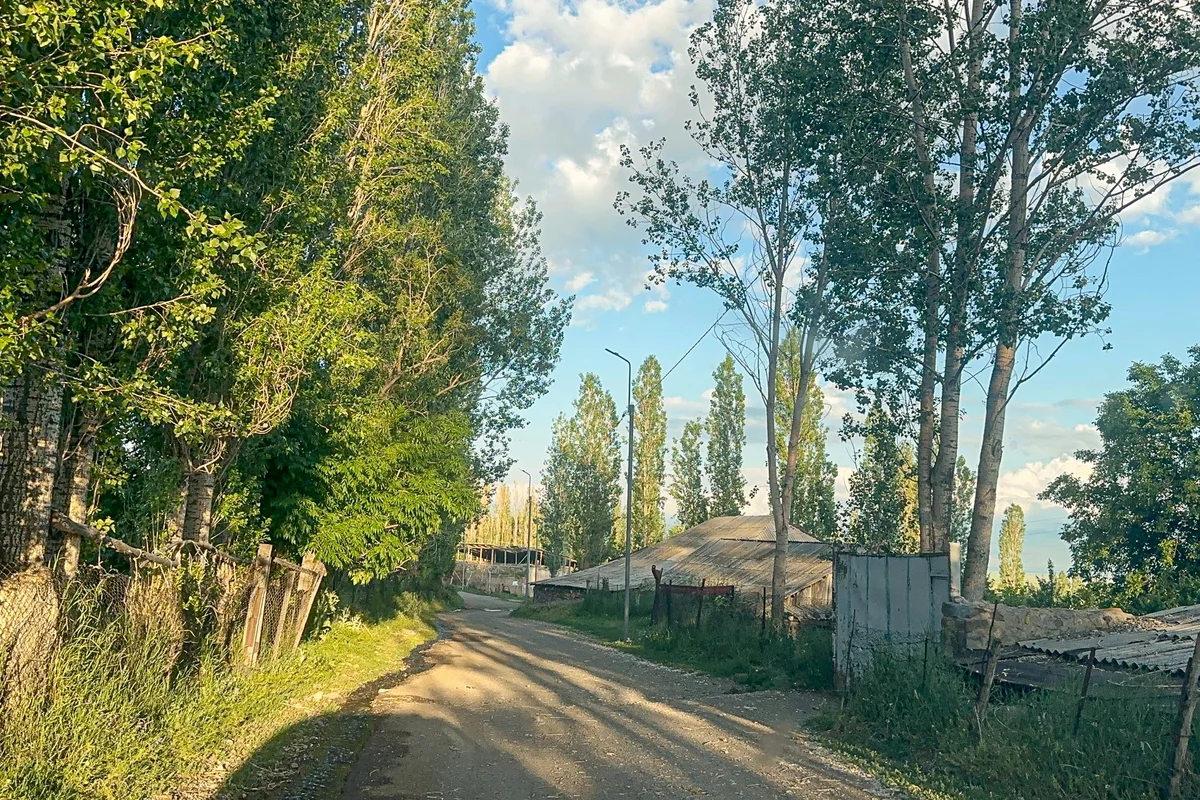
Tsarist-era statistical records, also cited in Armenian sources, indicate that at various times before 1914, the village was inhabited exclusively or predominantly by ancestors of the Azerbaijanis.
In 1911, the village had 738 inhabitants, predominantly ancestors of the Azerbaijanis.
In 1914, the village had 966 inhabitants, predominantly ancestors of the Azerbaijanis.
According to archival documents, Armenian troops carried out a massacre in Kasaman in mid-April 1919, and the village itself was destroyed.
A comparison of the number of Turkic inhabitants living in the village in earlier years with their number recorded in the 1922 census of Soviet Armenia reveals the consequences of the ethnic cleansing.
In 1922, the village had 249 inhabitants, all of whom were Azerbaijanis.
In 1970, the village had 891 inhabitants, all of whom were Azerbaijanis.
In 1979, the village had 955 inhabitants, all of whom were Azerbaijanis.
In 1989, the village had 693 inhabitants.
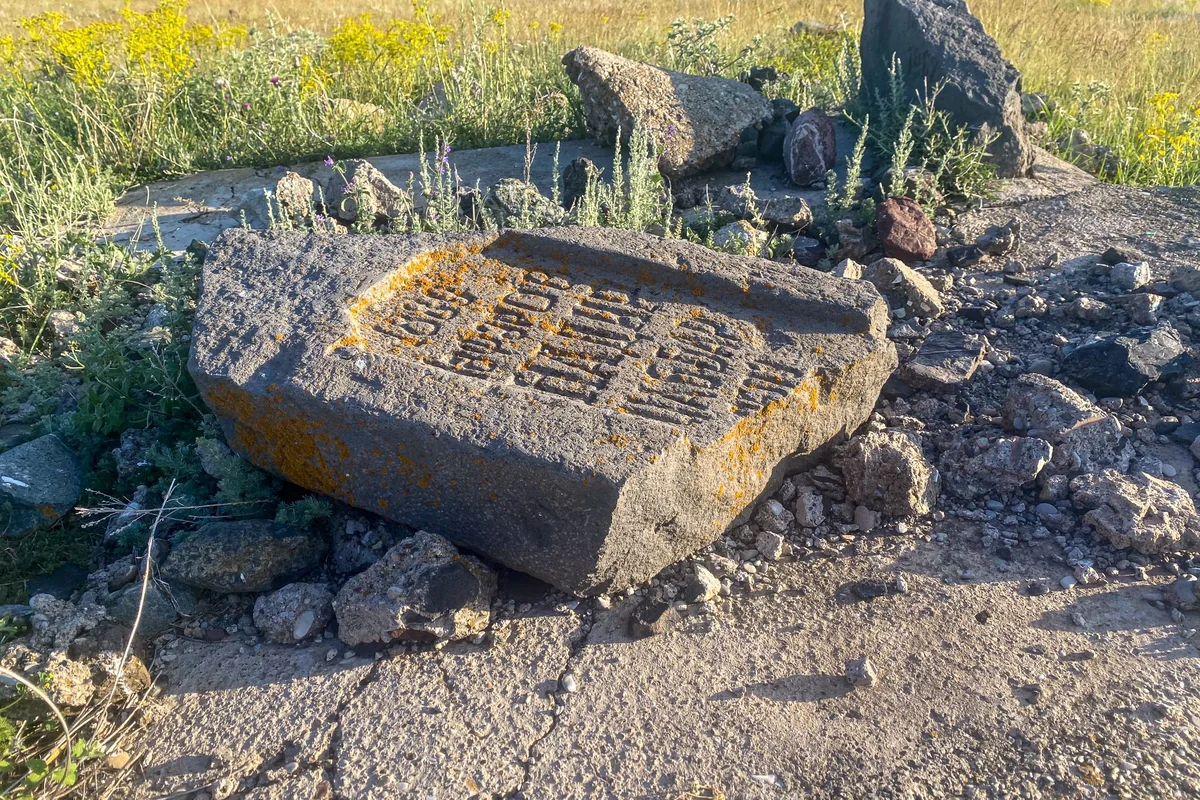
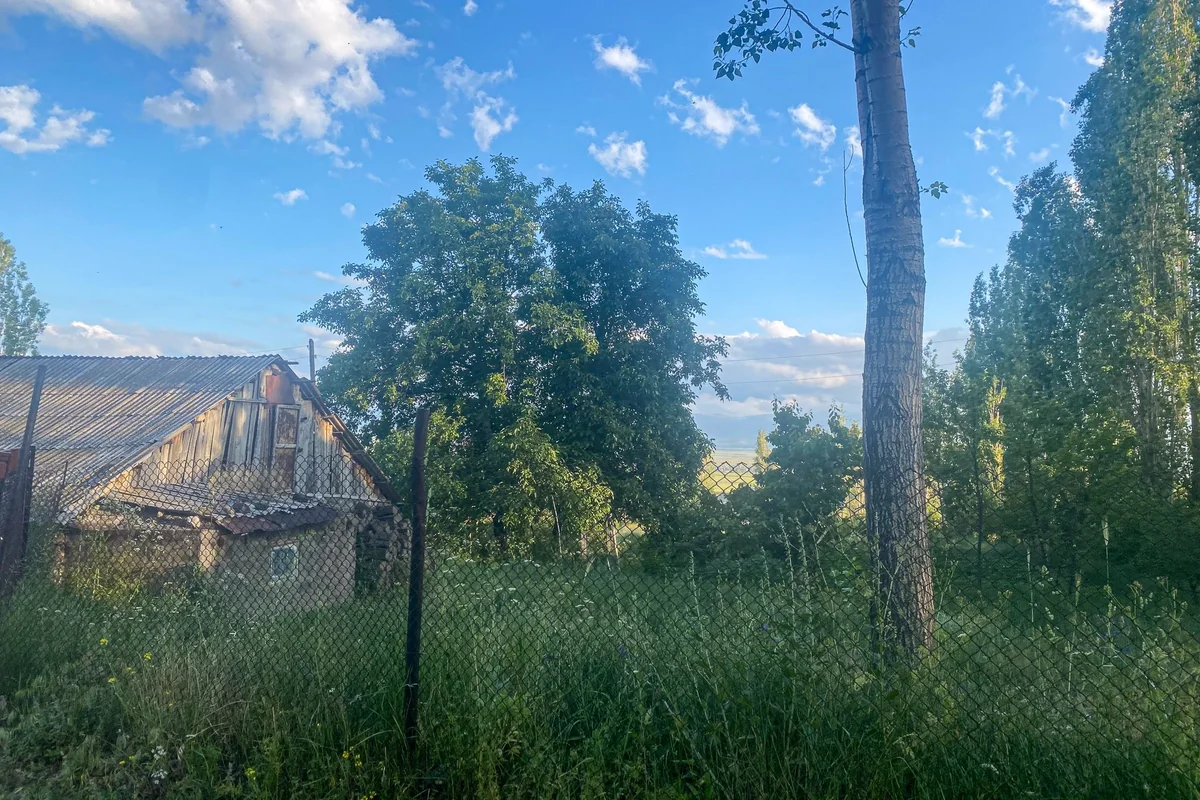
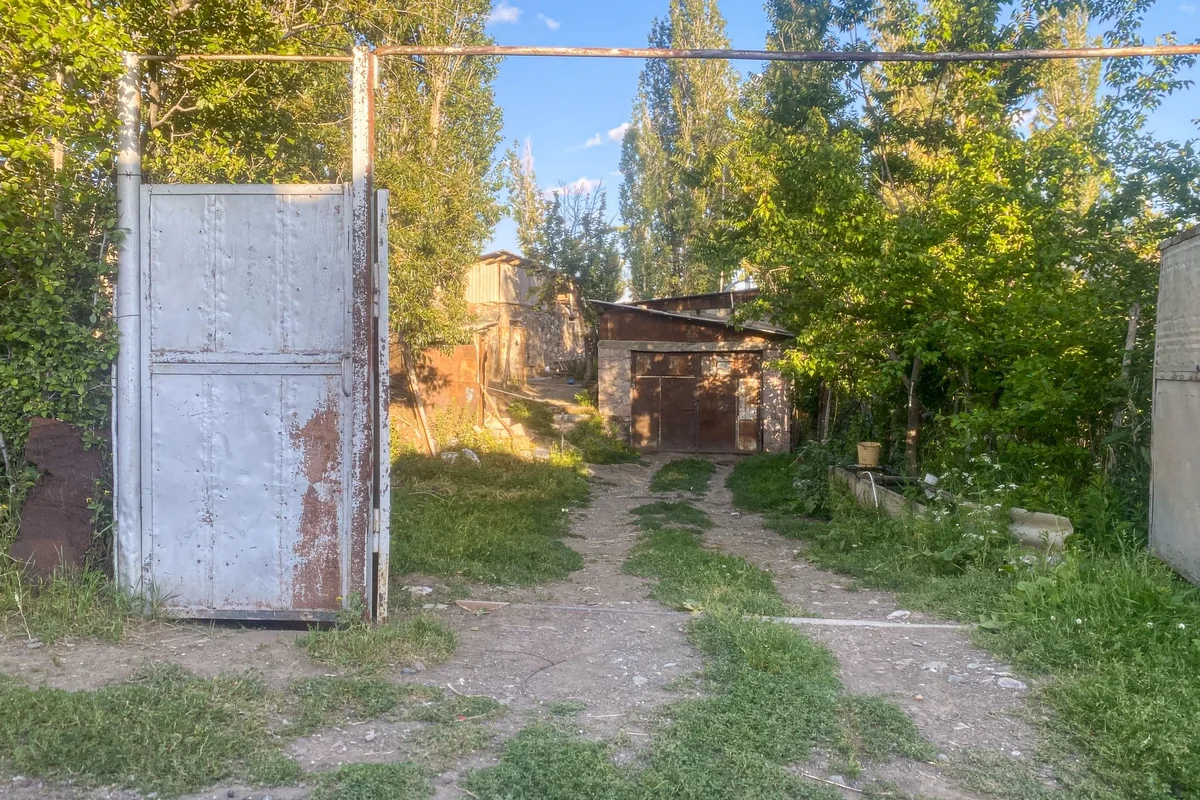
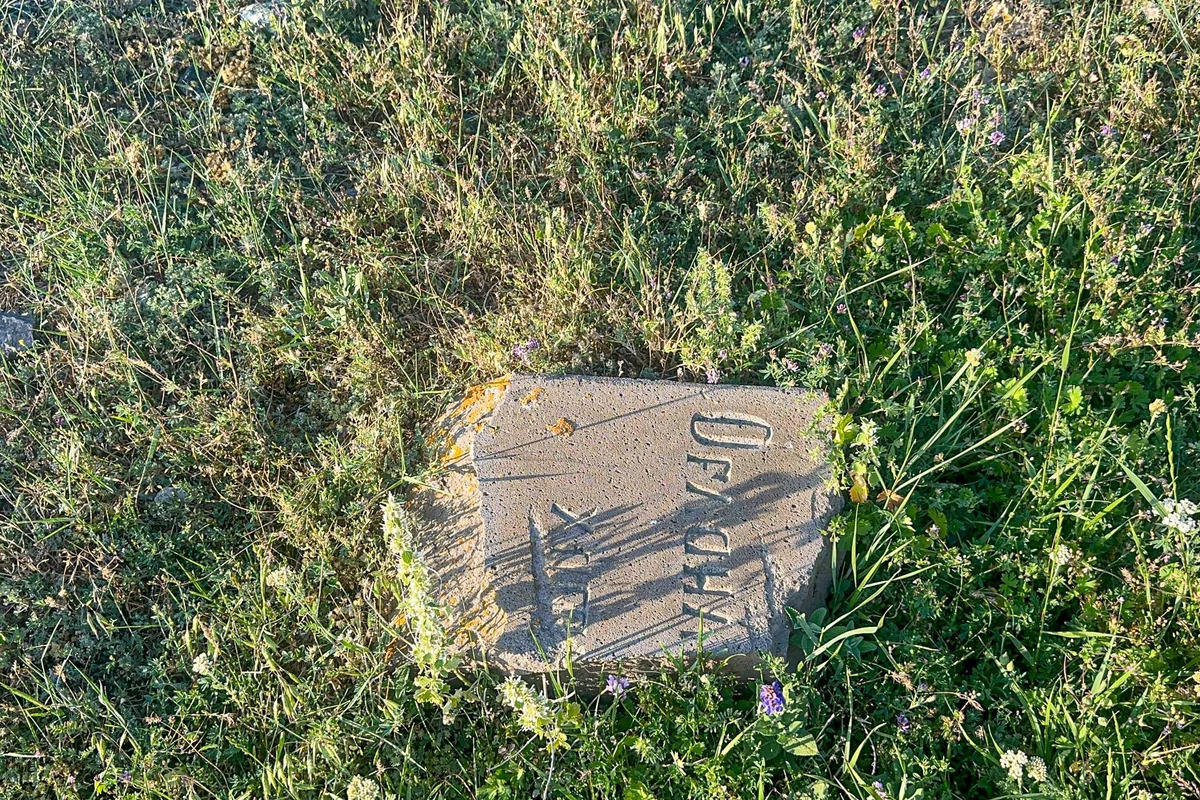
Between 2021 and 2024, extensive fieldwork was conducted across the territory of Armenia, including in remote mountainous regions. The research was undertaken in preparation for the book The Perished Civilization and focused on identifying and documenting surviving Azerbaijani heritage sites. During the fieldwork, an Azerbaijani cemetery with several damaged gravestones was discovered in the village.
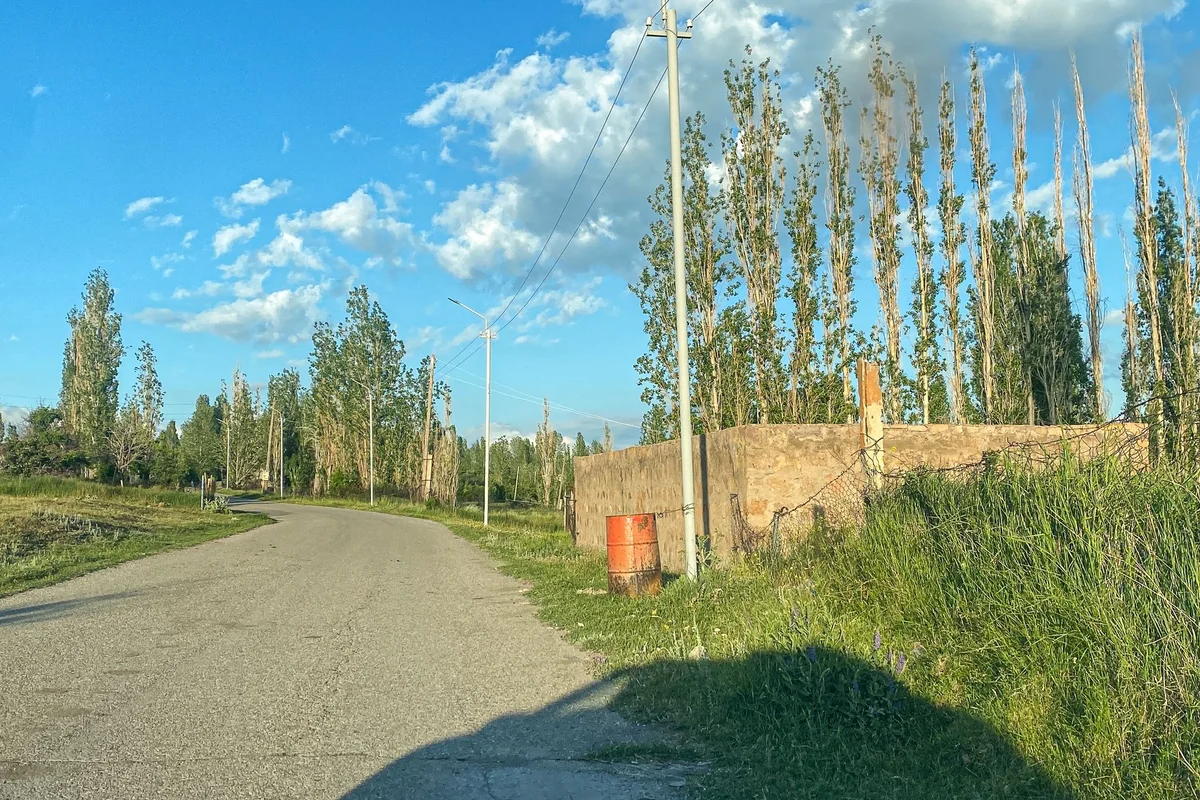
"Sites of Memory of Western Azerbaijan" is a unique research project. For the first time, fieldwork in present-day Armenia collected and systematized information about nearly 600 villages once inhabited by ancestors of present-day Azerbaijanis. Some retain fragments of Turkic cultural and historical heritage, including cemeteries, shrines and mosques.
Author