
 Baku 18° C
Baku session develops recommendations on assessing anti-corruption efforts
- 30 October, 2026
- 17:37

Stay up to date with the top news!
Recommendations on measuring corruption and assessing the effectiveness of anti-corruption measures have been developed for member states of the Organization of Islamic Cooperation (OIC), the Azerbaijani Prosecutor General's Office told Report.
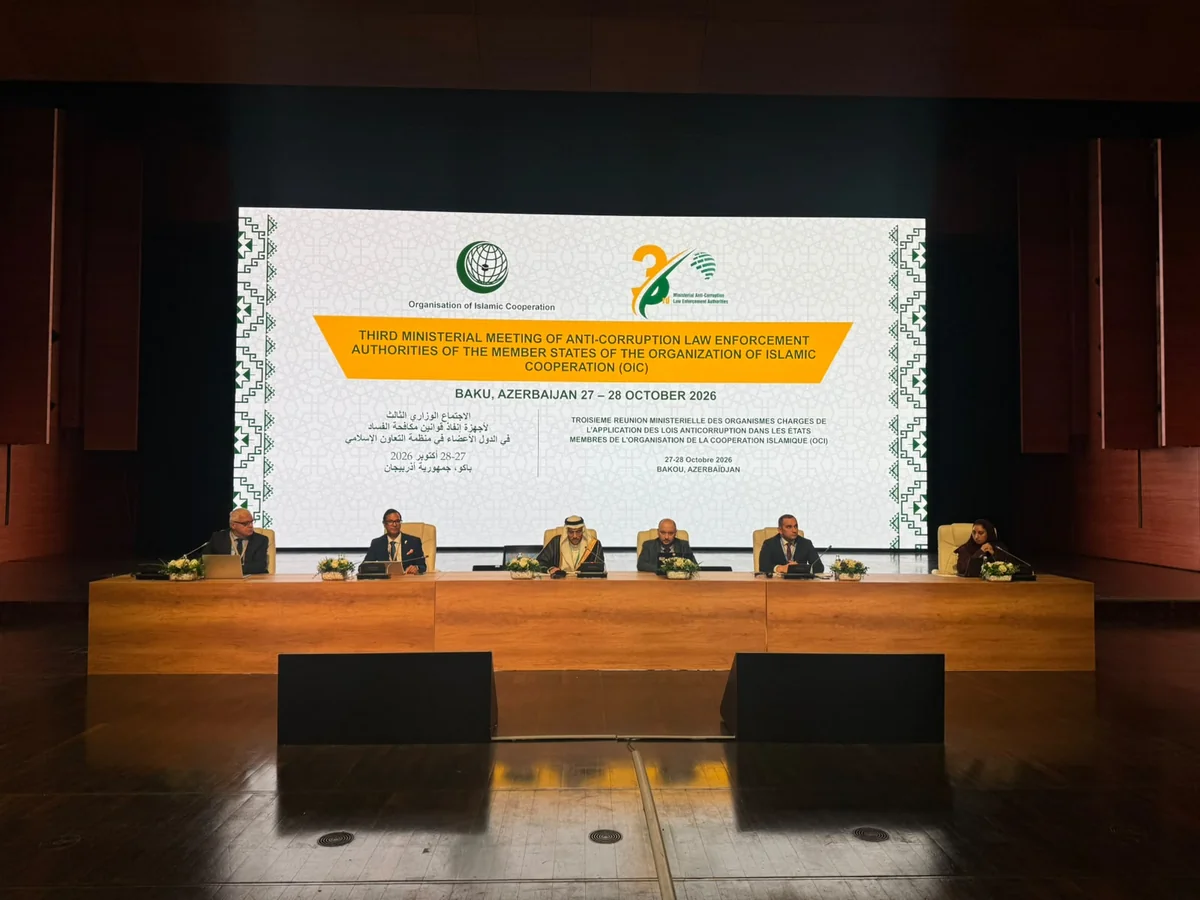
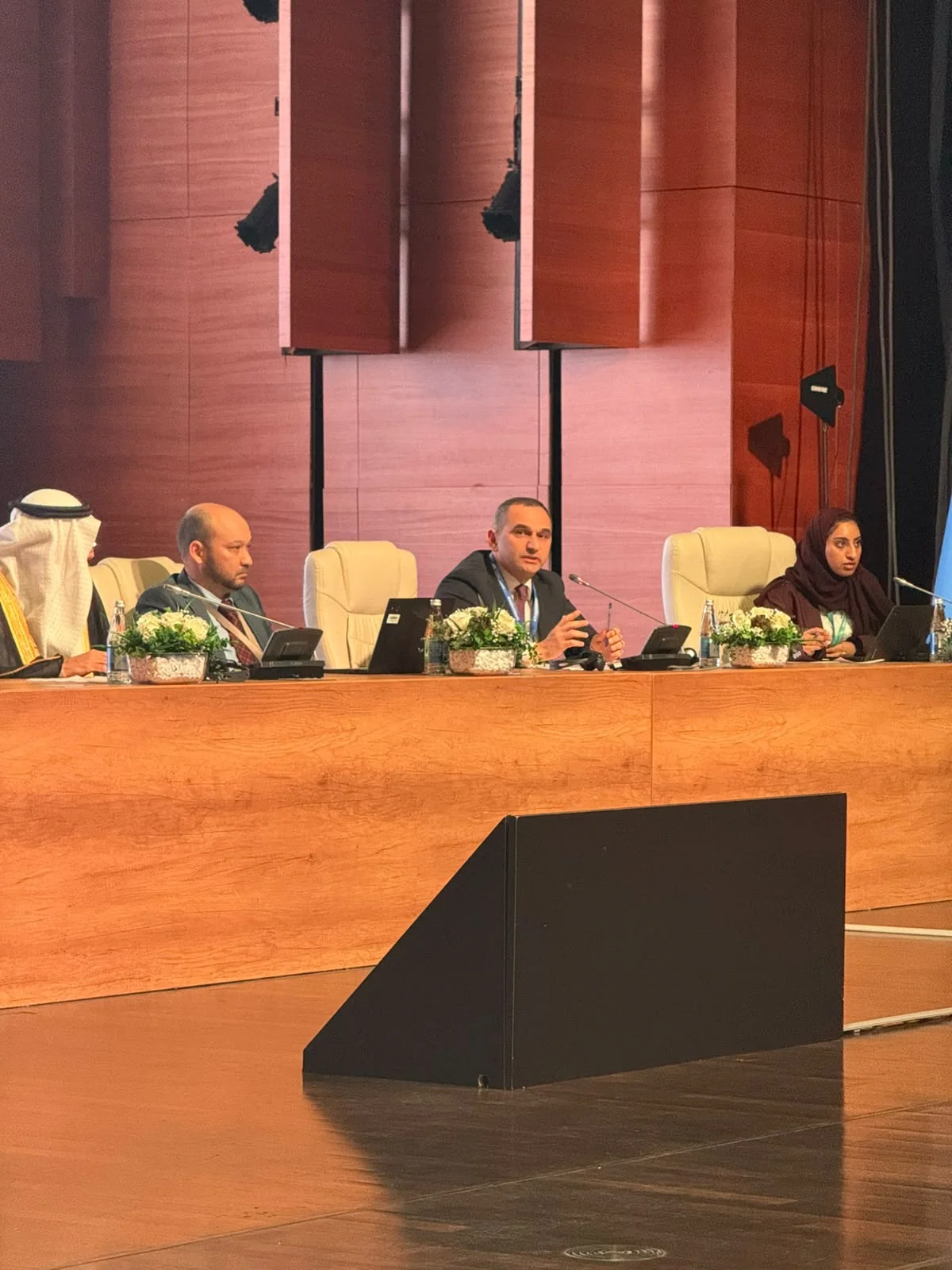
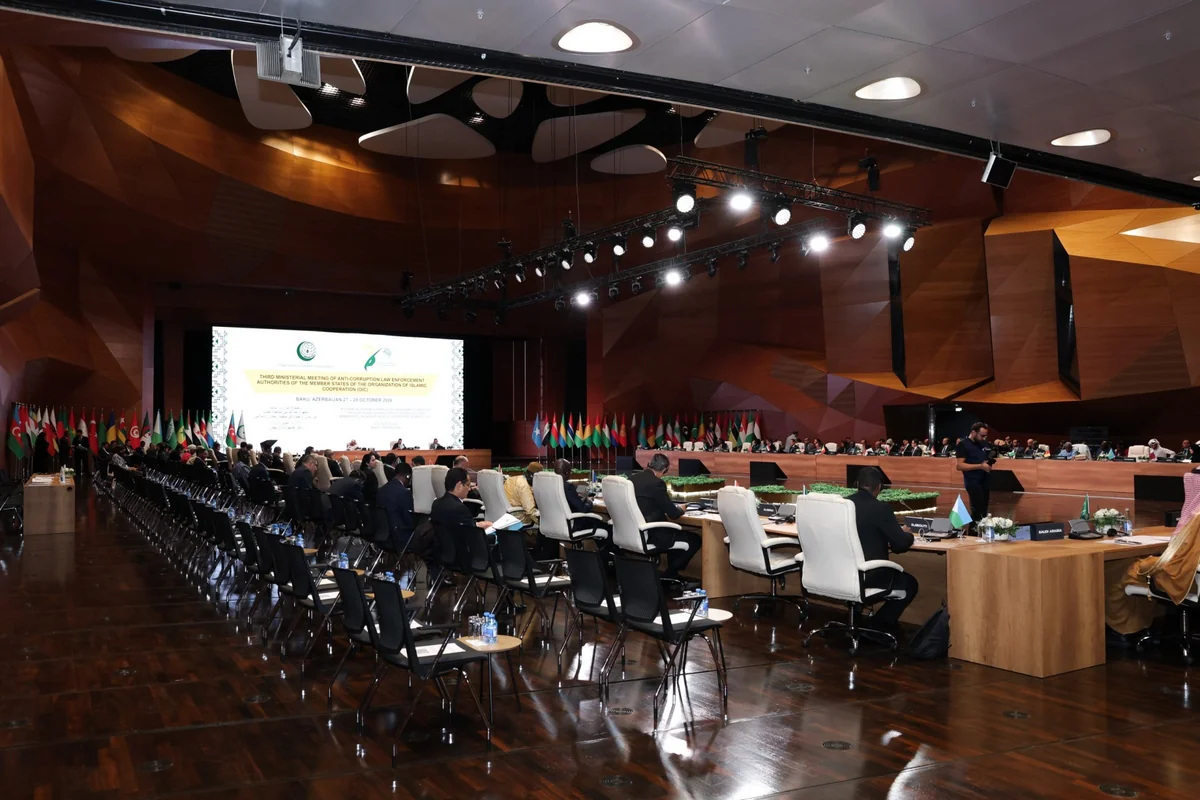
The recommendations emerged from a special session jointly organized by the Azerbaijani Prosecutor General's Office and Saudi Arabia's Oversight and Anti-Corruption Authority (NAZAHA). Entitled "Improving Corruption Measurement: Progress under the Global Initiative and National Perspectives," the session took place during the third high-level meeting of heads of anti-corruption law enforcement agencies of OIC member states, hosted by Azerbaijan's Prosecutor General's Office in Baku on October 27–28.
Participants discussed international practices in measuring corruption, improvements to national assessment mechanisms, and the use of objective criteria to evaluate anti-corruption policies.
Representatives of NAZAHA, the United Nations Development Program (UNDP), the International Anti-Corruption Academy (IACA), the GlobE Network, and the Anti-Corruption General Directorate under Azerbaijan's Prosecutor General addressed the session.
Azerbaijani representatives outlined national practices for regularly analyzing anti-corruption efforts, examining statistics and criminal cases to identify the causes and conditions enabling corruption, and submitting recommendations to relevant government agencies to address them. They also discussed methods for assessing the effectiveness of anti-corruption measures.
The representatives provided updates on the implementation of the 2022–2026 National Action Plan, preparations for a new plan covering 2027–2029, and work to establish a national framework for assessing corruption risks.
Speakers emphasized that, given the impact of corruption indicators on countries' international reputations and economic interests, assessments should draw on reliable national statistics, factual data, and scientifically sound methodologies, alongside public perceptions and opinions.
They also stressed that measuring corruption should go beyond assessing the current situation to evaluate the actual results of anti-corruption measures and institutional changes.
The resulting recommendations encourage common approaches among OIC member states, alignment of national assessment systems with international standards, stronger institutional and analytical capabilities within relevant government agencies, and the use of digital solutions.
They also envisage closer cooperation with the United Nations Office on Drugs and Crime (UNODC), UNDP, IACA, and other relevant international organizations, greater representation of OIC member states in international expert networks, and coordination of their positions on relevant international platforms.
The recommendations aim to support evidence-based decision-making, strengthen national institutional capacity, and advance multilateral anti-corruption cooperation within the OIC.
Author